

 Search
Medically reviewed by Dr. Garret Weber, MD, on November 1, 2024.
Cholecystectomy (Gallbladder Removal)
Cholecystectomy—the medical term for surgery to remove the gallbladder—is one of the most common operations performed on adults in the United States. More than 1.2 million of these surgeries are performed each year. Cholecystectomy is widely recognized as the best available treatment for the most common gallbladder diseases. Learn about cholecystectomy preparation, anesthesia, and recovery, including pain management and dietary changes.
What does the gallbladder do?
The gallbladder is an organ that stores the bile produced by your liver. Eating signals your gallbladder to empty bile through the bile ducts into your small intestine to mix with ingested food. Bile helps your body digest fats.
However, the gallbladder is not an essential organ. You can live normally without it. Your liver will continue to produce bile. This bile will flow directly into your small intestine, so you can continue to digest fats.
Why would I need to have my gallbladder removed?
The most common reason to perform a cholecystectomy is to treat gallstones. These are hard, pebble-like pieces of material, usually made of cholesterol or bilirubin, that develop in your gallbladder. When gallstones block your bile ducts, bile can build up in your gallbladder, causing a gallbladder attack—sudden pain in your upper right abdomen that can last several hours.
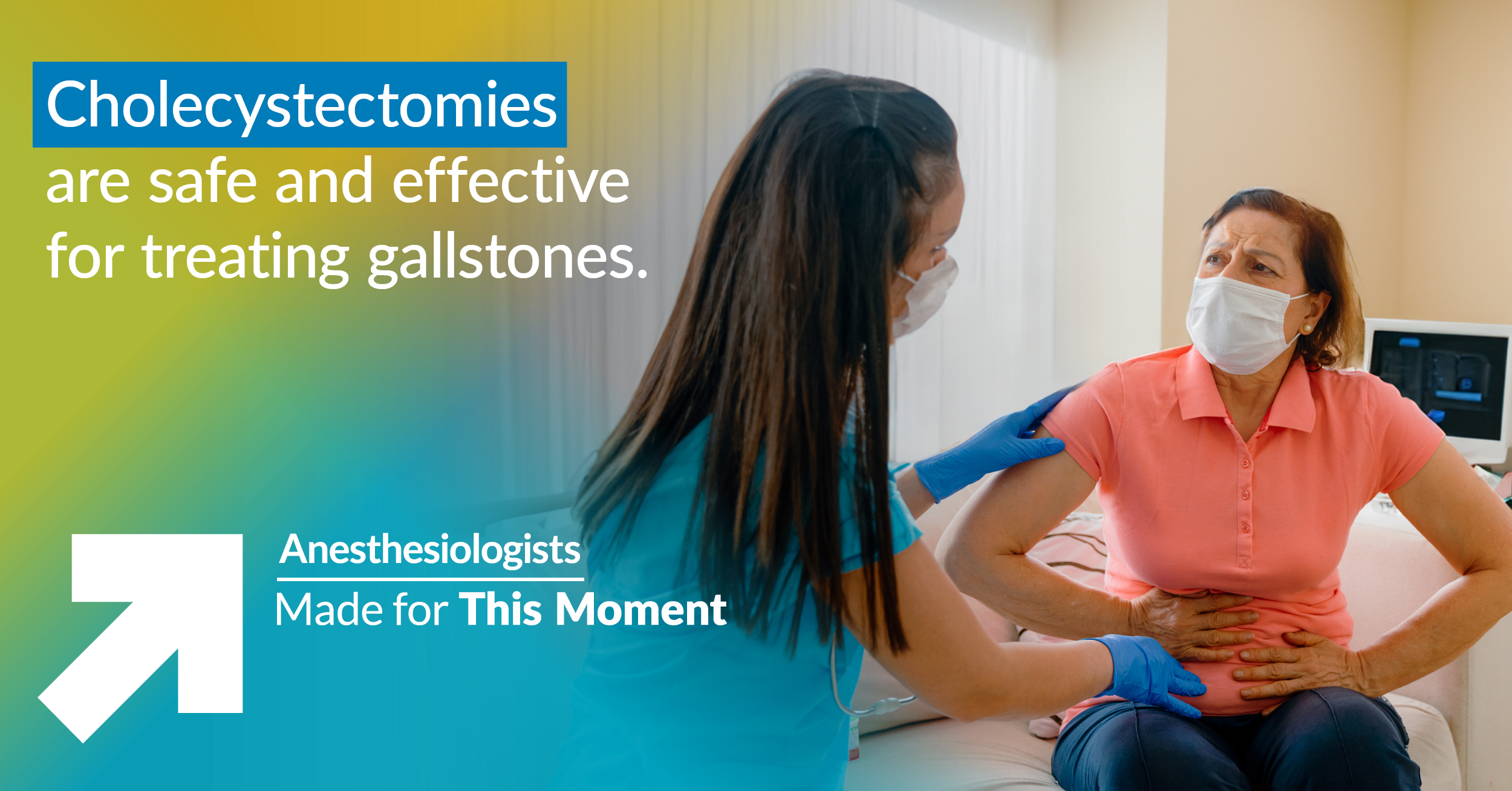
When you have gallstones that are causing symptoms, you will usually be advised to undergo a cholecystectomy. Gallbladder removal is an effective treatment, and you can live normally without a gallbladder. Doctors use nonsurgical treatments for gallstones only in special situations—for example, if you have a serious medical condition that prevents surgery. Surgery is usually preferred because gallstones can return when nonsurgical treatments are used. Without surgery, you may need to be regularly treated for gallstones for the rest of your life.
How is a cholecystectomy performed?
Almost all surgeons remove gallbladders laparoscopically. Laparoscopic surgery entails the use of a laparoscope—a medical instrument with a thin, lighted tube and a small camera. During this surgery, the surgeon:
- Makes a few small incisions, or cuts, in your abdomen.
- Inflates your abdomen with carbon dioxide gas so it’s easier to see the gallbladder and nearby organs with the laparoscope.
- Inserts the laparoscope through one of the small incisions.
- Inserts other medical tools through the other small incisions.
- Uses these tools to remove your gallbladder.
- Removes the scope and tools, deflates your abdomen by releasing the gas, and closes the incisions.
Rarely, the surgeon will instead need to perform an open gallbladder removal. In this case, the surgeon removes the gallbladder through a larger incision in the upper right part of the abdomen, just below the ribs. This kind of open surgery may be necessary if the gallbladder is severely inflamed, infected, or scarred, or if it contains a mass or tumor that is too difficult to remove with a laparoscope. The decision to perform an open gallbladder removal is sometimes made before surgery, but the surgeon may also decide during a laparoscopy to perform an open gallbladder removal if the surgeon discovers that it would be the safer option.
A laparoscopic cholecystectomy is typically done on an outpatient basis, which means you’ll go home the same day—although an overnight stay is occasionally needed. After an open cholecystectomy, you may need to remain in the hospital for as long as a week.
How do I prepare for a cholecystectomy?
Here are some important items to be aware of as the date for your gallbladder removal approaches:
- Food guidance. You may be advised to avoid fried foods and other high-fat foods for days or weeks before surgery, because these foods can contribute to stomach issues immediately after surgery. As with any surgery, you’ll also receive instructions on how long before the operation you need to stop eating altogether.
- Stomach issues. Nausea and vomiting are symptoms of a gallbladder attack. Your anesthesiologist will want to know if you are experiencing either of these before surgery. If so, the anesthesiologist may implement additional precautions. These may include taking an ultrasound of your stomach before surgery to make sure it’s empty; giving you multiple types of anti-nausea medicines before, during, and after surgery; and altering the way general anesthesia is administered.
- Medical history. As with other surgeries, your medical team will need to know about any medical conditions you have, because they can impact how anesthesia is administered. Your team will also advise you on supplements and medicines you need to stop taking or reduce before surgery. Always follow these instructions, as they increase your safety in surgery.
What type of anesthesia will I receive for a cholecystectomy?
Patients undergoing gallbladder removal surgery almost always receive general anesthesia. With general anesthesia, you will be unconscious and unaware of what is happening during the surgery.
The primary reason general anesthesia is used for a laparoscopic cholecystectomy is because deep relaxation of the abdominal muscles is required. The medications given for deep muscle relaxation will interfere with your ability to breathe on your own. Inflation of the abdomen with carbon dioxide can also interfere with breathing because it pushes against the diaphragm, a muscle that helps you inhale and exhale.
General anesthesia enables your anesthesiologist to use a ventilator to help with your breathing. While you are unconscious, the anesthesiologist will place a breathing tube connected to a ventilator down your throat and into your windpipe to help you breathe.
What are the possible side effects of a cholecystectomy and how long do they last?
During recovery from laparoscopic surgery, you may experience soreness or pain at the site of the incisions. You also may feel pain in one or both shoulders from nerves affected by the inflation of your abdomen. Nausea, vomiting, or loose stools are also possible.
Typically, this initial phase of healing lasts less than two weeks, and many of the side effects will subside before then. For example, shoulder pain should go away as the carbon dioxide used to inflate your abdomen during surgery is reabsorbed by your body. The pain from the small incisions should also resolve after a couple of days.
You may be able to return to your usual level of physical activity within a week, although care should be taken not to lift heavy objects until your incisions have healed.
After an open cholecystectomy, the recovery period may be significantly longer, and you may have to wait about a month before resuming your usual physical activities.
How can I manage pain after a cholecystectomy?
There are numerous options for pain relief after gallbladder removal surgery. To manage pain and minimize the need for opioids, some of these options may be used in combination. These options include:
- Analgesics such as acetaminophen (e.g., Tylenol).
- Anti-inflammatory medicines like aspirin, ibuprofen, and naproxen sodium.
- Nerve blocks, which involves injecting an anesthetic into an area of the body to block pain signals from specific nerves. These can be enhanced—for example, with an additive such as a steroid—so they remain effective for many hours to help with acute pain during the initial recovery.
- Opioids, which should be used sparingly and always under a physician’s supervision, as they have more negative side effects than other medications.
How can I minimize side effects after a cholecystectomy?
Side effects such as nausea, vomiting, and diarrhea or loose stools can occur as your digestive system adjusts to the gallbladder’s removal. Typically, as a preventive measure for your immediate postoperative recovery, you will be given anti-nausea medicines in the operating room, and your anesthesiologist will keep you fully hydrated by giving you IV fluids. If you are at high risk for nausea, you may be given more than one class of anti-nausea medicine—that is, medicines that work on different receptors in your body.
Changes in diet can also help manage side effects in the days and weeks following surgery, as described in the section below.
Will I need to change my diet after a cholecystectomy?
Yes. At least in the short term, gallbladder removal will affect what you can eat without side effects. You may experience bloating, gas, and loose stools or diarrhea after eating certain foods, in large part because the absence of a gallbladder will initially reduce your body’s ability to digest fats.
Ask your doctor for guidance on what to avoid or add to your diet after surgery to prevent or alleviate these side effects. You’ll likely be advised, at least at first, to eat smaller meals, limit your intake of high-fat foods, and gradually increase your intake of high-fiber foods.
Over the longer term, as your body adjusts, you will need fewer if any restrictions. Consider keeping a food diary as you reintroduce foods or larger meals to track how it affects you.