Search
Improving Health Care Outcomes for Everyone
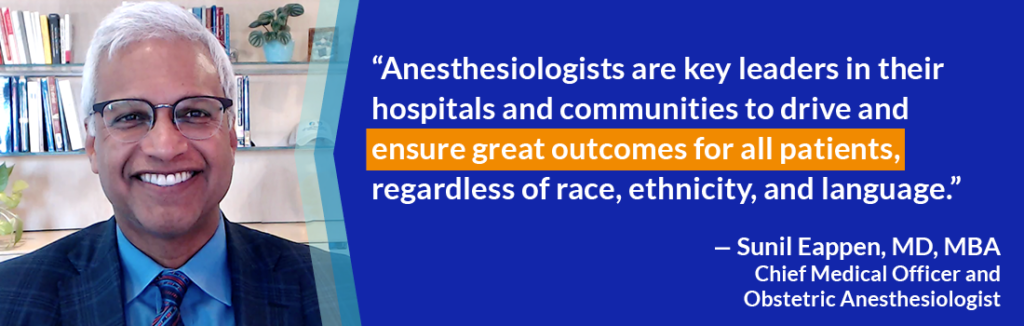
Anesthesiologists are medical doctors who work with patients before, during, and after surgery; in labor and delivery; and in managing many types of pain. In each of these contexts, anesthesiologists are proactive leaders who use their expertise to address inequities in health care that are often related to race, geography, or socioeconomic status.
Reducing Health Equity Gaps
Addressing inequities through perioperative care
Many medical conditions disproportionately affect low-income and historically marginalized racial and ethnic populations, who may have insufficient access to health care—leaving conditions undetected or untreated. Anesthesiologists are well positioned to mitigate the consequences of unequal access to care by identifying previously undiagnosed conditions when they are working with patients before and after surgery. They also work to increase access to care through their leadership in initiatives like the Perioperative Surgical Home.
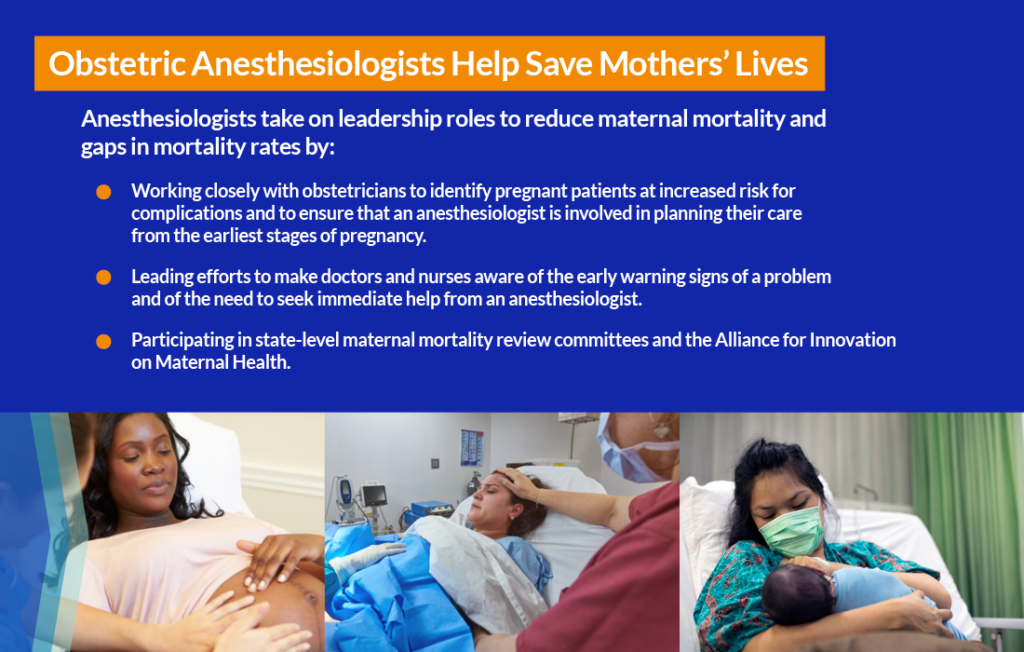
Closing gaps in maternal mortality
Maternal mortality rates are higher among low-income populations and among historically marginalized racial and ethnic populations, especially Black women. Obstetric anesthesiologists help reduce this disparity by working to prevent maternal deaths from cardiovascular disease, embolic disease, preeclampsia, postpartum hemorrhage, sepsis, and other conditions.
Providing pain management for everyone
Studies show that health care providers often overlook or dismiss pain in historically marginalized racial and ethnic populations. Anesthesiologists who specialize in pain management are key to addressing this issue because of their expertise and involvement in managing chronic pain.
For example, anesthesiologists are involved in newly established sickle cell centers that provide integrated care for this painful inherited condition, which disproportionately affects Black people.

Giving Patients Access to the Best Care
Removing qualified doctors from care will not close equity gaps for historically marginalized racial and ethnic populations, rural residents, people with low incomes, or other populations whose health may be negatively affected by unequal access to diagnosis and care. Research shows that substituting a lesser-trained provider for an anesthesiologist is a bad idea.
- Replacing physician-led anesthesia care with nurse-only anesthesia care does not increase access to care. For example, four studies of states that opted out of a Medicare requirement for physician-led anesthesia care—opening the door for nurse-only care—found no evidence of any increase in patient access to surgical care and anesthesia as a result of the nurse substitution.
- Replacing physician-led anesthesia care with nurse-only anesthesia care is worse for patient outcomes. Studies have found a higher risk of death and complications in surgery and a higher risk of hospitalization after outpatient surgery when an anesthesiologist is not involved.
How Policymakers Can Support Health Equity
Protect your constituents and promote health equity by opposing legislation that removes anesthesiologists from anesthesia care in your state.
Contact us for more information about how you can help and about how you can get in touch with an anesthesiologist in your constituency.
Contact Us
Contact Us